Introduction
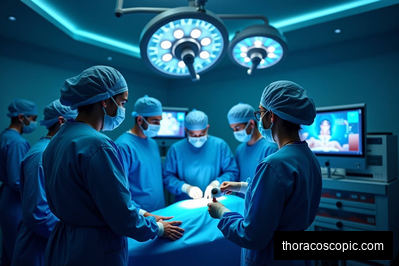
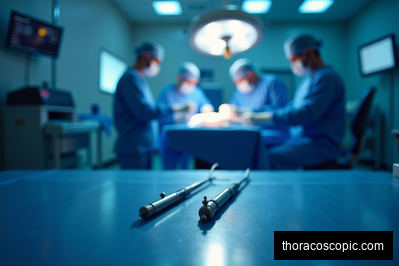
In the dynamic world of healthcare, the interplay between surgical tools and continuous education stands as a crucial cornerstone for optimal patient care. Surgical tools, in their myriad forms, have revolutionized the medical landscape, enabling surgeons to perform complex procedures with increased precision and safety. On the other hand, continuous education provides healthcare professionals with the knowledge and skills needed to utilize these tools proficiently and adapt to the ever-evolving medical field.
This synergy is not merely a theoretical concept; it is actively shaping modern surgical practices. A study by the American College of Surgeons revealed that hospitals investing in advanced surgical tools and continuous education reduced surgery-related complications by 17%. This blog post delves into the intricate connection between surgical tools and continuous education, and how this synergy enhances patient care.
As we delve deeper into the realm of healthcare, the importance of a comprehensive introduction becomes even more evident. An effective introduction sets the tone for what follows, guiding readers through the intricate world of surgical tools and continuous education. Imagine a well-crafted introduction as the guiding light that illuminates the path ahead, offering clarity and context to the complex interplay within the healthcare landscape.
In this context, a compelling introduction can highlight the latest advancements in surgical tools, showcasing how innovation is shaping the future of healthcare. Furthermore, an engaging introduction can emphasize the critical role of continuous education in keeping healthcare professionals at the forefront of their field. By setting the stage through a captivating introduction, readers are primed to explore the dynamic and ever-evolving landscape of healthcare with renewed curiosity and insight.
Surgical Tools: The Backbone of Modern Surgery
Cutting-edge surgical tools have transformed the surgical landscape, enabling surgeons to perform highly complex procedures with tremendous precision and minimal invasiveness. For instance, the da Vinci Surgical System has redefined minimally invasive surgery, offering 3D visualization and improved dexterity.
However, these tools are only as effective as the surgeon operating them. This is where continuous education comes into play. Harvard Medical School's Dr. Atul Gawande notes, "Better machines do not automatically mean better medicine. The key is in the ability of the surgeon to use them effectively, and that comes with education."
In the realm of surgical tools, advancements continue to revolutionize the precision and efficiency of modern surgical procedures. From robotic-assisted instruments that enhance surgical dexterity to minimally invasive tools that reduce patient recovery times, the evolution of surgical technology is reshaping the way surgeries are performed. For instance, the da Vinci Surgical System has gained widespread recognition for its ability to perform complex procedures with unparalleled accuracy, making it a valuable asset in various surgical specialties.
Moreover, the integration of augmented reality (AR) and virtual reality (VR) into surgical tool design is opening up new frontiers in surgical innovation. Surgeons can now visualize intricate anatomical structures in real-time, leading to more precise incisions and improved patient outcomes. The synergy between cutting-edge technology and surgical tools is not just enhancing surgical capabilities but also paving the way for personalized surgical solutions tailored to individual patient needs. As surgical tools continue to evolve, the future of surgery holds immense promise for further advancements that will redefine the standards of care in the medical field.
Continuous Education: A Catalyst for Proficient Use of Surgical Tools
Continuous education is pivotal in ensuring healthcare professionals are well-versed with the latest surgical tools and techniques. This involves both formal training and informal learning experiences, including workshops, seminars, and hands-on training sessions.
For instance, the American Society of Colon and Rectal Surgeons (ASCRS) provides extensive training in robotic surgery, ensuring surgeons are adept at using advanced robotic systems. Such educational initiatives not only foster technical proficiency but also cultivate a culture of lifelong learning among healthcare professionals.
Continuous education, especially in the field of surgical tools, plays a crucial role in enhancing patient outcomes and reducing surgical errors. For instance, ongoing training programs on the latest surgical instruments and techniques can significantly improve a surgeon's precision and efficiency during procedures. By staying updated on advancements in tool design and technology, healthcare professionals can provide better patient care and achieve superior surgical outcomes.
Furthermore, continuous education fosters a culture of innovation and adaptation within healthcare settings. Surgeons who regularly engage in educational opportunities are more likely to embrace new tools and procedures, leading to a more dynamic and progressive healthcare environment. This commitment to learning not only benefits individual practitioners but also enhances the overall quality of care provided to patients. In essence, continuous education acts as a catalyst for excellence in the proficient use of surgical tools, ultimately elevating the standard of healthcare delivery and patient satisfaction.
The Synergy: Enhanced Patient Care
When surgical tools and continuous education converge, the result is improved patient care. This synergy promotes precision in surgery, reducing the risk of complications and enhancing patient outcomes. A study in the British Journal of Surgery found that hospitals that prioritized both advanced surgical tools and ongoing education had a 15% lower patient mortality rate.
Another benefit is the potential for less invasive procedures, leading to quicker recovery times. Dr. David Agus, a professor of medicine and engineering at the University of Southern California, asserts, "By combining state-of-the-art tools with the knowledge to use them, we can perform surgeries with smaller incisions and less trauma to the body."
In the realm of enhanced patient care, the synergy between cutting-edge technology and compassionate healthcare providers plays a pivotal role in revolutionizing medical practices. Imagine a scenario where a surgical team utilizes state-of-the-art robotic-assisted tools to perform intricate procedures with unmatched precision and efficiency. This seamless integration of advanced equipment not only enhances surgical outcomes but also minimizes patient recovery time, ultimately leading to improved overall care and patient satisfaction.
Furthermore, ongoing professional development and education among healthcare professionals are crucial components of achieving enhanced patient care. By staying abreast of the latest medical advancements, practitioners can refine their skills, adopt innovative techniques, and provide patients with the most effective treatments available. This continuous learning process fosters a culture of excellence within healthcare settings, where the synergy between knowledge acquisition and clinical practice results in superior patient outcomes and a higher standard of care.
Challenges and Solutions
Despite the obvious benefits, integrating advanced surgical tools and continuous education poses certain challenges. The cost of acquiring and maintaining state-of-the-art surgical tools can be steep. Additionally, continuous education programs require a significant time commitment from busy healthcare professionals.
However, these challenges can be overcome. For instance, hospitals can form alliances to share the cost of expensive surgical tools. Governments and medical associations can offer subsidies or grants for continuous education programs. Healthcare professionals can leverage online learning platforms for flexible learning schedules.
One common challenge in implementing advanced surgical tools is the high initial cost involved. Hospitals and surgical centers often face budget constraints that can make it difficult to invest in the latest equipment. To overcome this, many facilities explore creative solutions such as leasing options or forming partnerships with equipment suppliers to spread out the financial burden. Additionally, ongoing training and education for medical staff can be a time-consuming endeavor, especially with busy schedules and limited resources. One effective solution is to leverage online platforms and virtual training programs, allowing healthcare professionals to access learning materials at their convenience and pace.
Conclusion
The interplay between surgical tools and continuous education is pivotal to optimal patient care. The use of advanced surgical tools, coupled with continuous learning, allows for precision, effectiveness, and ultimately, enhanced patient outcomes. While there may be challenges in achieving this synergy, the benefits to patient care far outweigh them.
As we move forward, it is critical that healthcare institutions embrace this synergy, fostering an environment of continuous learning and innovation. By doing so, we can continue to push the boundaries of what is possible in surgical care, ultimately translating into better outcomes for patients worldwide.
In conclusion, the synergy between innovative surgical tools and ongoing professional development plays a transformative role in enhancing patient outcomes. For instance, the integration of robotic-assisted technology in surgical procedures not only improves precision and efficiency but also requires surgeons to undergo specialized training to harness its full potential. This underscores the necessity for continuous education to keep abreast of advancements and refine surgical skills.
Moreover, the conclusion of a successful surgical intervention is not merely the end of a procedure but marks the beginning of a patient's recovery journey. It is crucial for healthcare providers to provide comprehensive post-operative care and follow-ups to monitor the patient's progress and address any potential complications promptly. This holistic approach, which extends beyond the operating room, emphasizes the importance of a continuum of care that ensures patient well-being post-surgery.