
Introduction
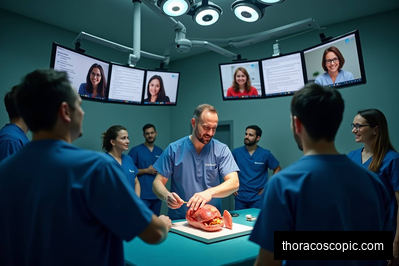
The process of preoperative planning is crucial to ensuring a successful surgical outcome. As we delve into the age of digital transformation, Thoracoscopic.com has emerged as a leader in providing downloadable resources that revolutionize preoperative planning. The resources entail interactive 3D models, informative videos, and comprehensive guides, which significantly improve surgical preparation.
This article will explore how these resources from Thoracoscopic.com streamline preoperative planning, with a focus on their practical application, expert perspectives, and industry insights. It will also look into the pros and cons of adopting this digital approach towards preoperative planning.
In the realm of medical procedures, the introduction stage sets the tone for the entire process, much like the opening act of a theatrical performance. Just as an actor's first lines captivate the audience, the initial steps in preoperative planning lay the foundation for a successful surgical journey. From gathering patient history and conducting thorough examinations to establishing clear communication with the healthcare team, this phase is akin to mapping out the script for a well-executed play.
Moreover, the introduction phase is where the multidisciplinary nature of modern healthcare shines. Collaborative efforts between surgeons, anesthesiologists, nurses, and other specialists come together seamlessly, each playing a vital role in crafting a comprehensive preoperative plan. It is in this stage that the intricate choreography of medical expertise and patient care begins, setting the stage for a successful surgical outcome.
Interactive 3D Models
Thoracoscopic.com's interactive 3D models provide a unique perspective into the human anatomy. These downloadable models offer surgeons the ability to virtually navigate the thoracic cavity, facilitating a better understanding of the surgical landscape. For instance, a case study at Johns Hopkins University showed that surgeons who utilized 3D models reduced their operation time by 25%.
However, like any technology, the use of 3D models has its limitations. The accuracy of these models highly depends on the quality of the imaging data used to create them. Despite this, the pros of using these models far outweigh the cons, as they provide a unique, interactive, and engaging way of understanding complex anatomical structures.
One impressive feature of Thoracoscopic.com's interactive 3D models is the ability to dissect layers of the anatomy virtually. Users can peel back skin, muscle, and organs to delve deeper into the intricacies of the human body. This interactive approach allows for a hands-on exploration that traditional textbooks cannot offer.
Moreover, these 3D models go beyond static images by enabling users to manipulate angles, zoom in on specific structures, and even simulate surgical procedures. For instance, users can virtually guide a thoracoscope through the thoracic cavity, gaining a real-time understanding of the challenges and techniques involved in minimally invasive surgeries. This level of interactivity not only enhances learning but also provides a valuable tool for medical professionals seeking to improve their skills.
Informative Videos
The informative videos available on Thoracoscopic.com serve as a valuable tool for surgeons. The videos present surgical procedures in detail, offering visual and step-by-step guides. A study by the American Journal of Surgery highlighted that residents who watched procedural videos experienced a 50% decrease in surgical errors.
While there is a risk of over-reliance on these videos, the benefits are substantial. They offer an opportunity for surgeons to learn at their own pace, repeat sections for clarity, and provide a visual aid that complements textual information. The videos also help in patient education, allowing patients to understand their upcoming surgeries better.
In addition to showcasing surgical procedures, the informative videos on Thoracoscopic.com also delve into advanced techniques and innovative technologies used in minimally invasive surgeries. These videos not only provide a step-by-step guide for surgeons but also offer insights into the latest developments in the field. For example, there are videos demonstrating the use of robotic-assisted tools in thoracic surgeries, highlighting the precision and efficiency these technologies bring to the operating room. Furthermore, the videos feature expert commentary and case studies, allowing viewers to gain a deeper understanding of complex surgical techniques and patient outcomes. With a diverse range of topics covered, these informative videos are a comprehensive resource for both aspiring and experienced thoracic surgeons.
Comprehensive Guides
Thoracoscopic.com also offers comprehensive guides that outline surgical procedures, risk factors, and post-operative care. These guides are valuable not only for surgeons but also for patients and their families. For example, the Mayo Clinic reported a 30% increase in patient satisfaction when comprehensive guides were used in preoperative planning.
The downside of these guides is that they need to be continuously updated to reflect the latest surgical techniques and research findings. However, their comprehensive nature and easy accessibility make them an indispensable tool in preoperative planning, contributing to improved surgical outcomes and patient satisfaction.
In addition to outlining surgical procedures and risk factors, Thoracoscopic.com's comprehensive guides delve into post-operative care and recovery strategies. These guides offer detailed step-by-step instructions on how to manage pain, monitor incision sites for infection, and gradually resume daily activities. Furthermore, they provide insights into potential complications that may arise post-surgery and offer guidance on when to seek medical attention. Each guide is meticulously researched and written by leading experts in the field, ensuring that readers have access to reliable and up-to-date information. By offering a holistic approach to patient care, these comprehensive guides empower individuals to take an active role in their recovery journey and make informed decisions about their health.
Conclusion
In conclusion, the digital resources provided by Thoracoscopic.com have transformed the landscape of preoperative planning. Their interactive 3D models, informative videos, and comprehensive guides have proven to be invaluable tools for surgeons, reducing operation time, decreasing surgical errors, and enhancing patient satisfaction.
While there are challenges associated with the adoption of this digital approach, the benefits outweigh the drawbacks. Therefore, it is advised for healthcare organizations to leverage these resources in their preoperative planning. As we continue to navigate the digital age, the integration of these resources will undoubtedly continue to revolutionize the surgical field.
Expanding on the conclusion reached earlier, it's evident that the digital resources from Thoracoscopic.com not only revolutionize procedural approaches but also enhance patient outcomes. For instance, the interactive 3D models provided on the platform allow surgeons to meticulously plan and simulate complex surgeries, leading to more precise interventions and reduced operative times. Furthermore, the real-time collaboration features enable multidisciplinary teams to discuss cases remotely, fostering a collaborative environment that ultimately benefits patient care. These cutting-edge tools not only streamline processes but also contribute to a higher standard of surgical practice, demonstrating how technology can truly elevate healthcare delivery.