
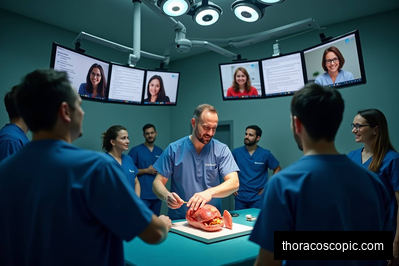
Introduction
In the vast and intricate world of thoracic surgery, the learning process has evolved significantly in the past few decades. With the advent of technology, community-driven learning, particularly through forums and expert Q&A sessions, has emerged as a powerful tool for knowledge dissemination. These platforms not only provide a medium for surgeons to interact and exchange ideas but also deliver an avenue for them to engage with the wider medical community and the public.
The shift from traditional classroom-based learning to online community-driven platforms has been catalyzed by advancements in digital technology. The result is a more accessible, interactive, and comprehensive learning experience. This article explores the power of forums and expert Q&A sessions in fostering community-driven learning in thoracic surgery.
As we delve deeper into the realm of thoracic surgery, it becomes evident that the introduction phase sets the tone for the entire surgical process. This initial step is crucial in establishing a strong foundation of understanding and trust between the surgical team and the patient. An effective introduction not only informs the patient about the procedure but also addresses any concerns or questions they may have, paving the way for a smoother and more successful surgery.
Furthermore, the introduction phase in thoracic surgery is where personalized care truly begins. Surgeons take the time to connect with their patients on a human level, discussing individual needs and preferences to tailor the treatment plan accordingly. This personalized approach not only enhances patient satisfaction but also contributes to better outcomes and recovery rates post-surgery. By prioritizing a comprehensive introduction process, thoracic surgeons can build a solid rapport with their patients, instilling confidence and comfort as they navigate through the complexities of surgical intervention.
The Rise of Online Forums in Thoracic Surgery Education
Online forums have revolutionized the way surgeons and medical practitioners learn and share knowledge. These virtual platforms provide a unique opportunity for individuals to engage in discussions, pose questions, and share experiences related to thoracic surgery. Forums like CTSNet and Thoracic.org have become invaluable resources for surgeons and trainees worldwide.
For instance, a survey conducted by the Society of Thoracic Surgeons found that over 60% of its members regularly participate in online forums. These practitioners use the platforms for various purposes, from discussing complex cases to seeking advice on surgical techniques. The ease and accessibility of these online forums have led to their increased use, promoting shared learning and collaboration among thoracic surgeons globally.
In the realm of thoracic surgery education, the rise of online forums has opened up unprecedented opportunities for collaboration and knowledge exchange among professionals in the field. These virtual platforms have become virtual hubs where thoracic surgeons can engage in real-time discussions, seek advice from peers, and share groundbreaking research findings, ultimately enhancing the collective expertise within the thoracic surgery community. For instance, forums dedicated to minimally invasive surgical techniques in thoracic surgeries have allowed practitioners to delve deeper into specific procedures, exchange best practices, and troubleshoot challenges, leading to advancements in patient care outcomes.
Expert Q&A Sessions: A Catalyst for Knowledge Exchange
Expert Q&A sessions complement online forums by providing a platform for direct interaction between thoracic surgery experts and learners. These sessions, often hosted by leading medical institutions and organizations, allow participants to ask questions and receive answers in real-time. This immediate feedback is crucial in clarifying complex concepts and surgical techniques.
Take, for example, the 'Ask the Experts' series hosted by the European Society of Thoracic Surgeons (ESTS). This initiative involves renowned thoracic surgeons answering questions submitted by participants, promoting a dynamic exchange of knowledge and expertise. According to ESTS, these Q&A sessions have attracted participants from over 30 countries, illustrating their global reach and impact.
Expert Q&A sessions are not only a catalyst for knowledge exchange but also a breeding ground for innovative ideas. These sessions provide a unique opportunity for industry experts to share their insights and experiences, sparking engaging discussions that lead to groundbreaking solutions. For instance, a recent Q&A session with a renowned data scientist not only shed light on the latest trends in artificial intelligence but also inspired participants to explore new applications in their respective fields.
Furthermore, Expert Q&A sessions foster a sense of community among participants, creating a supportive network where individuals can collaborate and learn from each other's expertise. This collaborative environment goes beyond traditional online forums by offering real-time interaction and personalized guidance. Imagine a scenario where a marketing professional receives tailored advice from a seasoned strategist during a live Q&A session, helping them refine their campaign strategies and achieve better results. These personalized interactions truly exemplify the power of Expert Q&A sessions as a dynamic platform for continuous learning and professional growth.
Pros and Cons of Community-Driven Learning
Community-driven learning in thoracic surgery, facilitated by online forums and expert Q&A sessions, comes with its own set of advantages and challenges. On the upside, these platforms foster a sense of community among practitioners, promote shared learning, and offer a vast repository of knowledge. They also provide a space for real-time interaction and feedback, enhancing the learning experience.
On the flip side, the quality and reliability of information shared on these platforms can vary. While expert-led Q&A sessions generally offer credible information, user-generated content in online forums can sometimes be misleading or inaccurate. It's therefore important for users to critically evaluate information and cross-reference it with trusted sources.
Community-driven learning in thoracic surgery, facilitated by online forums and expert Q&A sessions, continues to revolutionize medical education. One notable advantage of this approach is the diverse perspectives it offers. Through community-driven platforms, aspiring surgeons can interact with professionals from various backgrounds and regions, gaining insights that go beyond traditional textbooks. This exposure to different viewpoints enhances critical thinking and problem-solving skills, equipping learners with a broader knowledge base.
On the flip side, one challenge of community-driven learning is the potential for misinformation. With the wealth of information available online, it can be difficult to discern credible sources from unreliable ones. This underscores the importance of critical evaluation skills when engaging in online learning communities. Additionally, the informal nature of these platforms may lead to conflicting opinions that can confuse learners. Despite these drawbacks, the benefits of community-driven learning in thoracic surgery far outweigh the risks, providing an invaluable supplement to traditional medical education.
Maximizing the Benefits of Community-Driven Learning
To maximize the benefits of community-driven learning in thoracic surgery, users should actively participate in discussions, ask insightful questions, and share their own knowledge and experiences. It's also crucial to respect the diversity of opinions and perspectives shared on these platforms, as they contribute to a more holistic understanding of the field.
Furthermore, users should utilize these platforms as complementary to formal medical education and training. While online forums and Q&A sessions offer valuable insights and practical advice, they should not replace traditional learning methods such as textbooks, clinical rotations, and mentorship programs.
While actively participating is key to enhancing community-driven learning in thoracic surgery, another crucial aspect is fostering a culture of collaboration. Encouraging members to share their experiences, challenges, and successes not only enriches the learning process but also creates a supportive network where knowledge exchange thrives. For instance, hosting regular case study discussions where surgeons can dissect complex scenarios together can deepen their understanding and sharpen their skills.
Furthermore, leveraging technology can significantly amplify the benefits of community-driven learning. Implementing a user-friendly platform that enables real-time interactions, such as virtual conferences or online forums, can bridge geographical barriers and facilitate continuous learning. By embracing digital tools, thoracic surgeons can engage with a global community, access diverse perspectives, and stay updated on the latest advancements in their field, ultimately maximizing the collective knowledge pool and driving innovation in thoracic surgery.
Conclusion
Community-driven learning, powered by online forums and expert Q&A sessions, has significantly transformed thoracic surgery education. These platforms offer a unique opportunity for knowledge exchange, collaboration, and real-time feedback, enhancing the learning experience for thoracic surgeons worldwide. However, their effectiveness largely depends on the active participation, critical thinking, and respectful engagement of users.
As the field of thoracic surgery continues to evolve, so too will the need for innovative and collaborative learning platforms. Embracing these digital avenues for learning is an important step towards fostering a global community of thoracic surgeons committed to advancing their knowledge and improving patient care.
In conclusion, the power of community-driven learning cannot be overstated. As online forums continue to evolve, they provide a platform where learners can engage with peers and experts, fostering a collaborative environment for knowledge sharing. Beyond just Q&A sessions, these forums enable participants to explore diverse perspectives, debate ideas, and delve deeper into complex topics.
For instance, consider a scenario where a student poses a challenging question on a forum, sparking a lively discussion among fellow learners. Through this exchange, not only does the original question get answered, but new insights and alternative solutions emerge, enriching everyone's learning experience. This dynamic interaction showcases the value of community-driven learning in cultivating critical thinking skills and promoting a culture of continuous learning and growth.